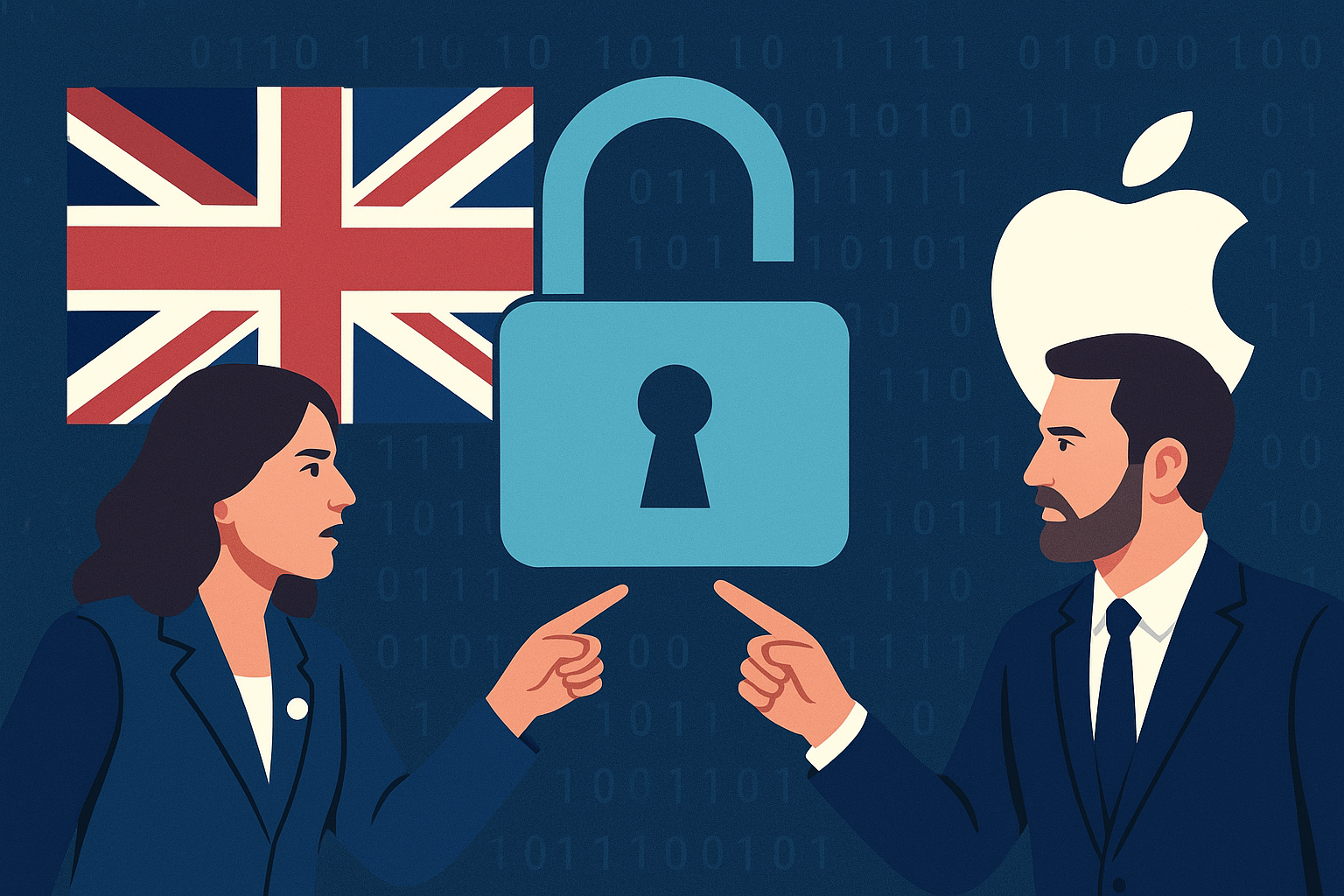
In a groundbreaking announcement that has been widely welcomed by privacy advocates and tech enthusiasts alike, UK Drops Controversial Backdoor Request, ending months of uncertainty surrounding digital security and user privacy. The dispute revolved around Britain’s demand that Apple provide backdoor access to encrypted iCloud data, a move that raised concerns about surveillance, civil liberties, and global trust in technology. The resolution, confirmed by U.S. Director of National Intelligence Tulsi Gabbard, signals a major shift in how governments handle the delicate balance between national security and digital privacy rights.
This article explores the origins of the dispute, the key players involved, the significance of the decision, and what the future may hold now that UK Drops Controversial Backdoor Request has become a defining moment in digital governance.
Background: The Birth of the Dispute
The debate began earlier this year when it was revealed that British authorities had served Apple with a technical capability notice under the Investigatory Powers Act of 2016, also known as the “snoopers’ charter.” This sweeping legislation granted the U.K. the power to compel technology companies to provide access to encrypted data when deemed necessary for national security.
According to reports, the U.K. government wanted Apple to build a backdoor mechanism into its iCloud service. This would have allowed officials to bypass encryption and directly access private user data. While the government argued that this was essential for combating terrorism and organized crime, critics contended that it set a dangerous precedent, effectively opening the door to mass surveillance and weakening global cybersecurity.
The situation escalated rapidly when Apple challenged the order. Industry experts, civil rights organizations, and digital privacy advocates joined in the opposition, warning that if such a request succeeded, it could undermine trust in encrypted services worldwide. This is why the news that UK Drops Controversial Backdoor Request has been hailed as a major win for privacy.
U.S. Intervention and Tulsi Gabbard’s Role
The issue took on international significance when Tulsi Gabbard, the U.S. Director of National Intelligence, confirmed her involvement in the negotiations. Gabbard revealed that she, alongside President Donald Trump and Vice President JD Vance, worked closely with the British government over the past few months to reach a resolution.
Gabbard emphasized that allowing backdoor access to American citizens’ encrypted data would have compromised civil liberties and created risks of electronic spying. By announcing that the UK Drops Controversial Backdoor Request, she highlighted the importance of strong, uncompromised encryption in protecting both individual freedoms and national security.
Her statement made clear that the U.S. government viewed the British order not just as a legal matter, but as a fundamental issue of sovereignty and privacy. This intervention helped pave the way for the U.K. to reverse its stance.
Why the Decision Matters
The announcement that UK Drops Controversial Backdoor Request is far more than just a political resolution; it is a landmark moment for digital rights. Here’s why it matters:
1. Privacy Wins Over Surveillance
The U.K.’s retreat signals a global recognition that individual privacy cannot be casually sacrificed in the name of security. Encryption protects billions of users worldwide, from journalists and activists to businesses and everyday citizens.
2. Apple’s Strong Stand Validated
Apple has consistently positioned itself as a defender of privacy, often clashing with governments over demands for access to encrypted data. By challenging the order and refusing to compromise, Apple has reinforced its reputation as a champion of digital rights.
3. International Precedent
By confirming that the UK Drops Controversial Backdoor Request, the case sets an important precedent. Governments worldwide may think twice before attempting to impose similar demands, knowing the backlash and political ramifications involved.
4. Strengthening Consumer Trust
Tech users often worry that their private information could fall into the wrong hands. This decision reassures consumers that their data remains protected, further strengthening trust in encryption and secure cloud storage.
The Investigatory Powers Act and Its Implications
The Investigatory Powers Act of 2016, or “snoopers’ charter,” has long been controversial. It gave the government broad authority to compel internet providers and tech firms to grant access to user data. Critics argued that its vague language allowed excessive surveillance powers with little oversight.
The attempt to force Apple into compliance under this law reignited debates about its fairness and effectiveness. By ultimately backing down, the U.K. has indirectly acknowledged the limitations of such sweeping measures. The fact that UK Drops Controversial Backdoor Request suggests a reevaluation of the law’s application in the digital age.
Global Reactions
The international response to the news that UK Drops Controversial Backdoor Request has been overwhelmingly positive.
- Privacy advocates have hailed the decision as a milestone victory in the ongoing battle against mass surveillance.
- Cybersecurity experts stress that backdoors, once created, can be exploited by hackers and hostile states, putting millions at risk.
- Civil liberties groups argue that the resolution upholds democratic principles by preventing the erosion of constitutional protections.
Even beyond the tech world, the news has resonated with the public, many of whom see the protection of digital privacy as a cornerstone of modern freedom.
Challenges Ahead
While the decision that UK Drops Controversial Backdoor Request is a clear win for privacy, challenges remain. Governments worldwide continue to face pressure from intelligence agencies and law enforcement bodies seeking greater access to encrypted data. The ongoing tension between security and privacy will undoubtedly resurface in the future.
Moreover, as technology evolves—particularly with the rise of quantum computing, artificial intelligence, and cross-border data flows—new debates will emerge over how to safeguard digital systems without compromising security needs.
The Balance Between Security and Privacy
The case underscores a broader philosophical question: how do societies balance the need for safety with the right to privacy? While governments argue that surveillance tools are vital for preventing threats, history has shown that unchecked power can easily be abused.
By declaring that UK Drops Controversial Backdoor Request, the British government has chosen to respect this balance, recognizing that privacy is not just a personal matter but a cornerstone of democratic society.
Conclusion
The decision that UK Drops Controversial Backdoor Request marks a pivotal moment in the global fight for digital privacy. Britain’s withdrawal of its demand for Apple to provide backdoor access to encrypted iCloud data sends a powerful message: privacy matters, and governments must tread carefully when dealing with sensitive digital rights.
Tulsi Gabbard’s involvement, Apple’s resistance, and the global outcry combined to ensure that this demand did not succeed. While challenges remain, this development represents a significant win for advocates of secure, uncompromised encryption.
As the digital age advances, the debate over privacy and security will continue. Yet for now, the decision that UK Drops Controversial Backdoor Request stands as a milestone, reinforcing the principle that individual freedoms must not be sacrificed at the altar of surveillance.